

 by Joseph
Quick Answer: Yes, US citizens can move to Costa Rica smoothly in 2026. US passport holders receive up to a 180-day tourist visa stamp upon entry and can apply for legal residency through Pensionado ($1,000/mo pension), Rentista ($2,500/mo income), Inversionista ($150,000 real estate investment), or Digital Nomad ($3,000/mo remote income). With direct 3-to-5 hour flights from major US hubs, equal property ownership rights, and 30–50% lower living costs than major US cities, Costa Rica is a top choice. However, Americans must manage citizenship-based tax obligations (IRS Form 1040, FEIE up to ~$132,900, FBAR over $10,000) and note that Medicare does not cover medical care abroad.
As a real estate broker helping American clients relocate to Guanacaste, I see US citizens make up over 50% of foreign property buyers. Costa Rica offers an exceptional lifestyle and constitutionally protected property rights under Article 19. A successful move requires clear planning around US tax compliance, healthcare enrolment, banking, and real estate acquisition. For an overview covering both American and Canadian expats, see our pillar guide on How to Move to Costa Rica from Canada or the US.
12-Month Step-by-Step Moving Timeline for Americans
Moving across international borders goes smoothest when broken into four key phases:
- Months 12–9 (Location & Documents): Choose your target region—Guanacaste beach towns (Playa Lagarto, Tamarindo, Nosara, Playas del Coco) for coastal living or the Central Valley for mountain climate. Order certified birth and marriage certificates.
- Months 8–6 (Apostilles & Tax Planning): Request an FBI background check. Public documents submitted for Costa Rican residency must be apostilled by your Secretary of State (or US State Department) and translated into Spanish by an official Costa Rican translator. Consult a CPA regarding state domicile detachment and IRS filing rules.
- Months 5–3 (Healthcare & Housing): Because Medicare does not cover care outside the US, secure private international health insurance or plan for public CCSS (Caja) enrolment. Explore verified listings on our Costa Rica real estate page.
- Months 2–1 (Logistics & Travel): Obtain USDA pet health certificates within 14 days of departure. Book direct flights into Liberia (LIR) or San Jose (SJO). Ensure your outbound travel ticket within 180 days is confirmed per US State Department travel guidelines.


Costa Rica Residency Options for US Citizens in 2026
To reside in Costa Rica long-term beyond the 180-day tourist stamp, Americans apply under four primary categories set by DGME Costa Rica:
- Pensionado (Retiree): Proof of a permanent, lifetime pension or Social Security benefit of at least $1,000 USD/month. Governed by Executive Decree 43926-MGP-H and Law 9996, Pensionado holders import household goods tax-free.
- Rentista (Income Earner): Proof of guaranteed unearned income of at least $2,500 USD/month for two years ($60,000 USD deposited into a Costa Rican bank or held in trust).
- Inversionista (Investor): Under Law 9996, a minimum investment of $150,000 USD in Costa Rican real estate or business equity qualifies you and your family for residency.
- Digital Nomad (Law 10008): Foreign remote income of at least $3,000 USD/month ($4,000 USD for families). Valid for 1 year, renewable for a second. Digital Nomads enjoy 100% exemption from local income tax on foreign earnings.
Filing Fees: $50 USD government fee + $1.25/page + $200 USD change-of-status fee if applying locally, plus a $300–$500 USD refundable security deposit upon approval.

US Tax Obligations Abroad: FEIE, FBAR, and Citizenship Taxation
Under US citizenship-based taxation, US citizens and Green Card holders must file annual US income tax returns (Form 1040) on worldwide income, according to IRS International Tax Rules. Key relief provisions include:
- Foreign Earned Income Exclusion (FEIE – Form 2555): Excludes up to $130,000 USD (2025) or ~$132,900 USD (2026) of foreign earned income (wages/self-employment) via the Physical Presence Test (330 days abroad) or Bona Fide Residence Test. FEIE does not apply to passive income (pensions, rentals, dividends).
- FBAR Reporting (FinCEN Form 114): Required annually if total foreign bank account balances exceed $10,000 USD at any point during the year, per FinCEN rules.
- FATCA Reporting (Form 8938): Mandatory if foreign financial assets exceed $200,000 USD (single) on tax year-end.
Social Security and Medicare Abroad
For US retirees, managing entitlement benefits involves two vital facts:
- Social Security: The Social Security Administration pays benefits directly to US citizens in Costa Rica via direct deposit to US or local bank accounts.
- Medicare Coverage Warning: Medicare Parts A & B DO NOT cover medical treatment abroad. American retirees must maintain private international insurance or enroll in local CCSS healthcare.
Healthcare: Public CCSS (Caja) & Private Care
Public CCSS (Caja): Enrolment in CCSS is mandatory for temporary residents. Monthly payments are based on declared income (7% to 15%, minimum ~$70–$150/mo), covering doctor visits, procedures, and prescriptions at zero copay.
Private Healthcare: JCI-accredited hospitals (Hospital CIMA, Hospital Bíblica, Hospital Metropolitano) offer world-class treatment. Out-of-pocket doctor visits cost $50–$150 USD, delivering 70–80% savings compared to US private medical costs.
Banking & Moving Money from the US
Under SUGEF AML rules, opening a Costa Rican bank account as a tourist is restricted. To open an account at BAC Credomatic or Banco Nacional, you need a DIMEX residency card or proof of real estate purchase / corporate ID, US passport, income documentation, and a signed IRS Form W-9 for FATCA compliance.
Direct Flights from Major US Hubs
Costa Rica is easily reached via direct non-stop flights into Liberia (LIR) or San Jose (SJO):
- Miami (MIA) & Fort Lauderdale (FLL): ~3 hours
- Houston (IAH) & Dallas (DFW): ~3.5–4 hours
- Atlanta (ATL): ~3.5 hours
- Los Angeles (LAX): ~5.5 hours
- New York (JFK / EWR): ~5 hours
Cost of Living: Costa Rica vs Typical US Cities
Overall living expenses in Costa Rica run 30% to 50% lower than in major US cities like Miami, Los Angeles, or Austin. Monthly budget baselines in Guanacaste include:
- Single Person: $1,500 – $2,500 USD / month
- Couple: $2,500 – $4,500 USD / month
- Housing / Rent: $800 – $2,200 USD/month for a 1–2 bed villa
- Utilities & AC: $150 – $350 USD/month
For detailed comparisons, read our guide on Is Costa Rica Cheaper Than the US? Cost of Living Comparison.



Selling Your US Home First Before Relocating
Many American buyers finance their Costa Rica home purchase by selling their primary US residence. Keep IRS Section 121 rules in mind:
- IRC Section 121 Exclusion: Under IRS Topic No. 701, homeowners exclude up to $250,000 USD of capital gains (single) or $500,000 USD (married filing jointly) if they owned and lived in the home as a primary residence for 2 of the 5 years before the sale.
- Liquid Reserves: Closing on your US sale first supplies clear liquid capital for escrow transfers when acquiring real estate in Costa Rica.
Homes for sale that Americans are buying now
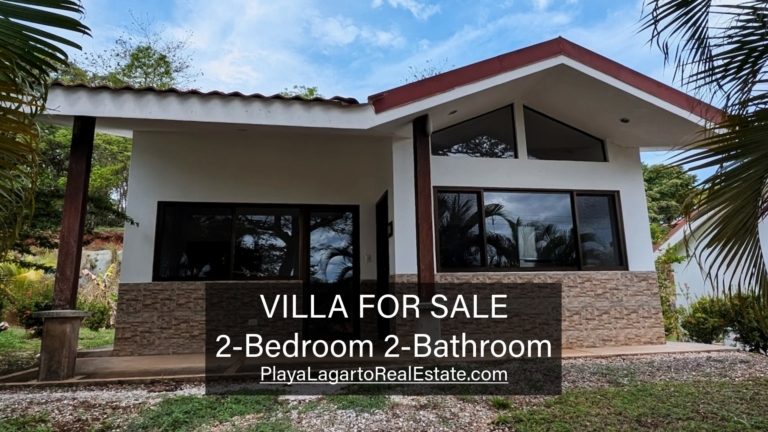
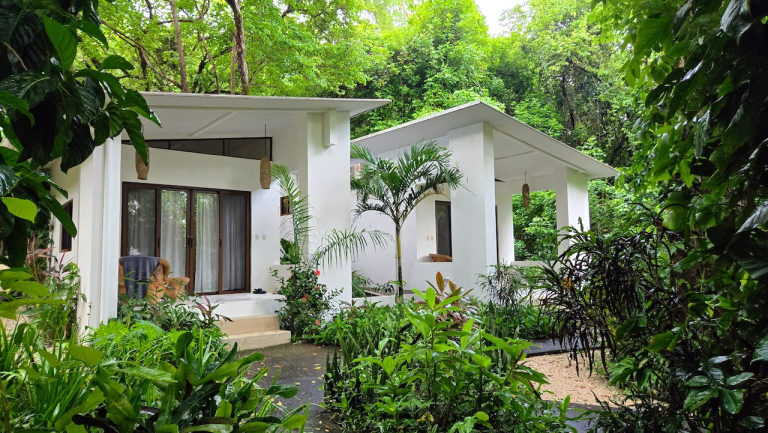
Real listings I have today in Guanacaste. Tap any photo for prices, photos and details.


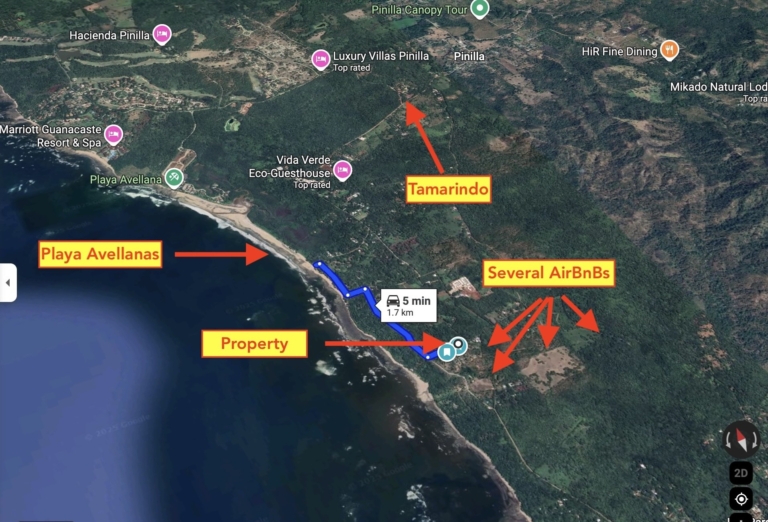
Buying Property in Costa Rica as an American
Article 19 of the Costa Rica Constitution guarantees foreigners equal property ownership rights as Costa Rican citizens. You can purchase fee-simple titled real estate directly in your name or via a Costa Rican entity (S.A. or S.R.L.).
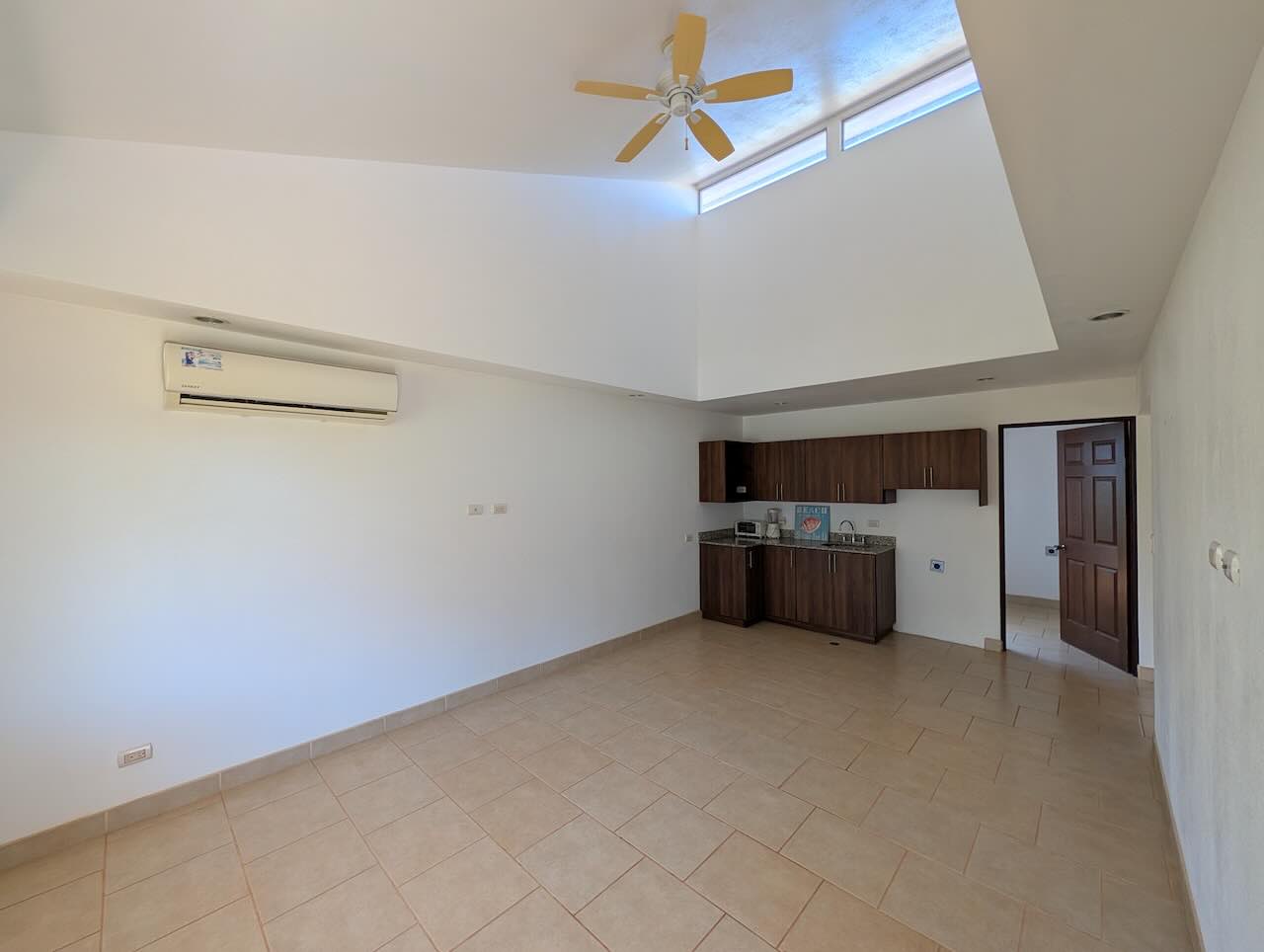
Key legal and tax considerations for US buyers:
- Maritime Zone (ZMT Law 6043): First 50m from high tide is public domain. The next 150m is concession land requiring 5 years of residency for majority foreign ownership. Titled property outside 200m carries zero restrictions.
- Closing Costs: Total closing costs average 3.5% to 4.0% (1.5% transfer tax, ~0.82–1.0% registry stamps, 1.0–1.5% notary fees, 0.25–0.5% escrow).
- Property Tax: 0.25% annual property tax under Law 7509. Luxury Home Tax applies to construction values exceeding ₡143,000,000 CRC (~$280,000 USD) for 2026.
For full details on title checks, escrow, and closing, review our Costa Rica Homes and Villas Buyer’s Guide or browse current listings on our Costa Rica Properties Page.
🏡 Thinking of Buying Property in Costa Rica?
Whether you are searching for a gated community villa in Playa Lagarto, an ocean-view home in Nosara, or a rental income condo in Tamarindo, Yossi Kaplan, MBA provides expert buyer representation tailored to American clients.
More listings worth a look
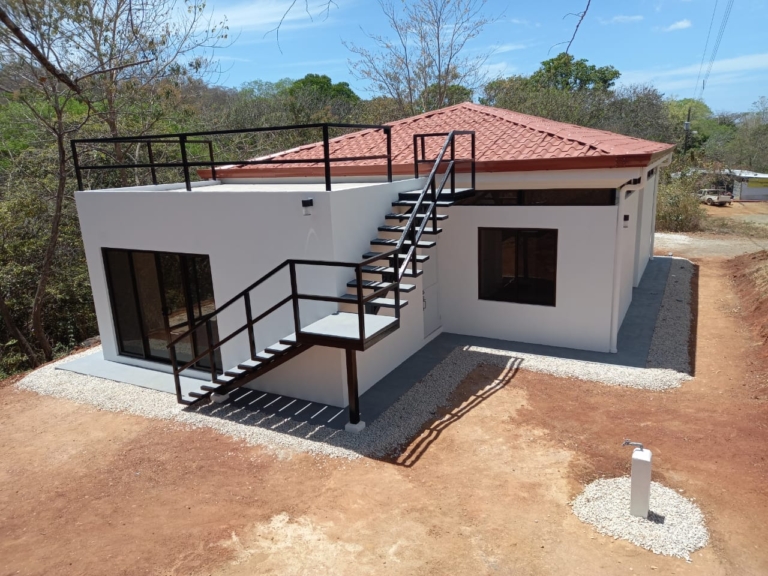
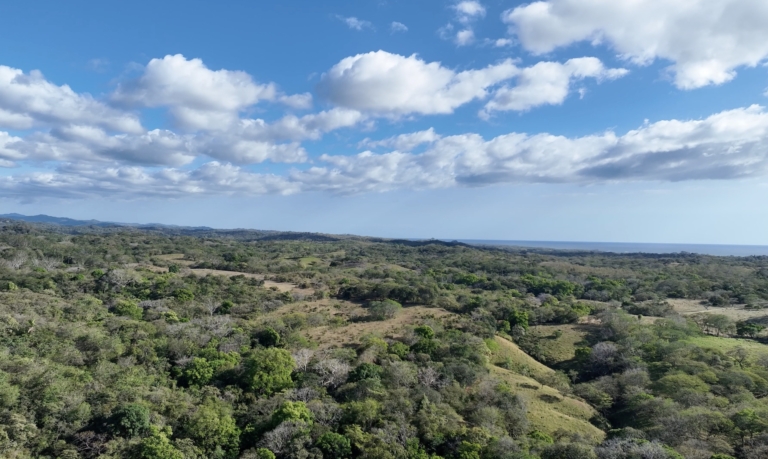
A family home, ocean-view lots and a cashflow property.
Frequently Asked Questions for Americans Moving to Costa Rica
Can US citizens live permanently in Costa Rica?
Yes. US citizens enter as tourists for up to 180 days and apply for temporary residency via Pensionado ($1,000/mo pension), Rentista ($2,500/mo income), Inversionista ($150,000 investment), or Digital Nomad ($3,000/mo remote income). After 3 years, you can apply for permanent residency.
Do Americans pay US tax while living in Costa Rica?
Under US citizenship taxation, Americans living abroad file an annual Form 1040. However, the Foreign Earned Income Exclusion (FEIE – Form 2555) allows you to exclude up to ~$132,900 USD of foreign earned income in 2026, and the Foreign Tax Credit (FTC) prevents double taxation.
Does Medicare work in Costa Rica?
No. Medicare Parts A and B do not provide coverage or reimbursement outside the US. Retirees living in Costa Rica use private insurance, pay out-of-pocket, or enroll in Costa Rica’s CCSS (Caja) public system.
Is Costa Rica cheaper to live in than the United States?
Yes. Cost of living in Costa Rica is 30% to 50% lower than in major US cities. A single person lives comfortably on $1,500–$2,500 USD/month, while a couple spends $2,500–$4,500 USD/month.
Can Americans buy land and property in Costa Rica?
Yes. Article 19 of the Costa Rica Constitution grants foreign nationals equal property rights as citizens. Americans can buy fee-simple titled land and homes directly in their own name or through a Costa Rican company.
How long can a US citizen stay in Costa Rica as a tourist?
US passport holders receive up to a 180-day (6 month) tourist visa stamp upon entry. You must present a valid passport and proof of onward travel departing within 180 days.