 by Joseph
Quick Answer: Should You Move to Costa Rica?
Moving to Costa Rica in 2026 is an outstanding choice for Americans and Canadians seeking a healthier lifestyle, warm year-round weather, world-class private healthcare, and a peaceful democracy with no military. With an extended 180-day tourist stay upon arrival and legal residency pathways starting at $1,000/month in guaranteed pension or $150,000 in property investment, relocating is straightforward. However, success requires embracing “Pura Vida” timing for bureaucracy and budgeting for higher import duties on vehicles and electronics.
If you are asking yourself “Should I move to Costa Rica?”, you are far from alone. Thousands of North Americans make this tropical move every year. As a dual Toronto and Costa Rica realtor, I help Canadian and American buyers transition smoothly to living, renting, and purchasing real estate in Costa Rica.
This guide provides an honest, direct look at the pros, cons, safety records, legal steps, and 5 must-know relocation facts before you pack your bags.
Is Costa Rica Safe for Americans and Canadians?
One of the most frequent questions from potential expats is: is Costa Rica safe for Americans and Canadians? The short answer is yes, Costa Rica is widely recognized as one of the safest countries in Latin America.
- Peaceful Democracy: Costa Rica abolished its military in 1948 and reallocated defense spending into public education and healthcare. It consistently ranks #1 in Central America on the Global Peace Index.
- Welcoming Expat Communities: Popular coastal communities in Guanacaste (such as Playa Lagarto, Tamarindo, Nosara, and Playas del Coco) have established expat populations, active community neighborhood watches, and reliable local police (Fuerza Pública).
- Violent Crime is Rare against Foreigners: Most crime reported by expats involves opportunistic theft (e.g., unattended items on a beach or unlocked cars/doors). Violent crime targeting foreign retirees or remote workers is extremely uncommon.
- Practical Safety Tips:
- Always lock doors, windows, and vehicles, even in gated communities.
- Avoid leaving backpacks or electronics visible inside parked cars.
- Use official red taxis (Taxis Rojos) or vetted transport apps in urban areas.
- Register your travel plans with your home government—via the US Smart Traveler Enrollment Program (STEP) or Canada’s Registration of Canadians Abroad (ROCA).
Honest Pros and Cons of Moving to Costa Rica
Making an international move requires looking past postcard beach photos. Here is an honest breakdown of the major pros and cons for Americans and Canadians considering relocating in 2026:
The Pros
- 180-Day Tourist Entry Visa: US and Canadian passport holders entering Costa Rica are granted up to a 180-day (6-month) stay at border discretion (under DGME Decree 44260-MGP). This gives you six full months to test living here without rushing residency paperwork.
- Territorial Tax Advantages: Costa Rica operates on a territorial tax system. Income earned outside Costa Rica, overseas investments, or remote employment for foreign companies under the Digital Nomad Law (Law 10008) is 100% exempt from Costa Rican income tax.
- High-Quality Healthcare: Costa Rica offers both a universal public health system (CCSS / Caja) and top-tier private hospital networks (such as CIMA, Hospital Bíblica, and Hospital Metropolitano in San José and Guanacaste). Private care costs 50% to 70% less than equivalent US medical care.
- Strong Foreign Property Ownership Rights: Article 19 of the Costa Rican Constitution explicitly guarantees foreign citizens equal property ownership rights. You can own titled real estate 100% in your own name or via a Costa Rican corporation (S.A. or SRL). See our Costa Rica Buyers Guide for full details.
- Outdoor Lifestyle & Perfect Climate: Enjoy year-round tropical weather, world-class surfing, fresh organic tropical produce, and an active, stress-reducing lifestyle.
The Cons
- High Import Tariffs on Goods & Cars: Importing personal items, electronics, and vehicles incurs heavy duties. Importing a vehicle can incur tax tariffs ranging from 50% to 80%+ of Ministry of Finance valuation, making buying cars locally a better choice for many.
- “Pura Vida” Bureaucracy Pace: Administrative processes—such as obtaining residency cards (DIMEX), setting up bank accounts, or applying for building permits—take considerably longer than in North America. Patience is essential.
- Rural & Coastal Infrastructure: Outside major highways, coastal and rural roads in Guanacaste can be unpaved or potholed. A reliable 4×4 vehicle is recommended during the green season (May to November).
- Banking Restrictions for Non-Resident Tourists: Under SUGEF Anti-Money Laundering regulations, opening a local bank account as a tourist is heavily restricted until you receive DIMEX residency status or purchase registered real estate.
Is It Easy to Move to Costa Rica? Real Steps to Relocate
When people ask “is it easy to move to Costa Rica?”, the answer depends on preparation. The legal pathways are well defined, but completing the steps requires organized documentation.
Here is the realistic 5-step roadmap to relocate from North America:
- Step 1: Test Drive with a 180-Day Stay
Fly in on your US or Canadian passport. You will receive up to 180 days stay. You can drive legally in Costa Rica using your home driver’s license for the full duration of your entry stamp. - Step 2: Choose Your Destination
Spend time exploring different regions. Guanacaste’s Gold Coast—including Playa Lagarto, Tamarindo, and Nosara—offers dry tropical climate, modern amenities, gated beach communities, and easy access to Liberia International Airport (LIR). - Step 3: Pick the Right Residency Pathway
- Pensionado (Retirees): Proof of $1,000 USD/month lifetime pension.
- Rentista (Income Earners): Proof of $2,500 USD/month guaranteed income for 2 years ($60,000 USD deposit).
- Inversionista (Investors): Minimum $150,000 USD investment in Costa Rican real estate or business.
- Digital Nomad (Remote Workers): Proof of $3,000 USD/month income ($4,000 for families) from remote employment outside Costa Rica.
- Step 4: Gather & Apostille Background Documents
Obtain an official FBI background check (USA) or RCMP fingerprint check (Canada), along with birth and marriage certificates. All foreign documents must be apostilled/authenticated and translated into Spanish by an official Costa Rican translator. - Step 5: Settle, Rent, or Buy Real Estate
Many expats rent for 3 to 6 months while exploring neighborhoods, then proceed to buy titled real estate. Review our analysis of the Costa Rica Real Estate Market and current Cost of Living to structure your budget.
For the complete step-by-step moving masterclass, explore our master guide: How to Move to Costa Rica from Canada or the US (2026 Guide).
Who Costa Rica Suits (And Who Should Think Twice)
Costa Rica is paradise for many, but it isn’t for everyone. Knowing whether your personality and goals match life here is crucial.
Costa Rica Is Ideal For:
- Retirees looking for active living, lower medical costs, and warm weather.
- Remote Workers & Digital Nomads earning USD or CAD who want a tropical base with tax exemptions.
- Real Estate Investors & Homebuyers seeking lifestyle properties that generate vacation rental income.
- Families & Eco-Enthusiasts who want a healthier environment and international private schools.
You Should Think Twice If:
- You need a local job in Costa Rica (foreigners without permanent residency cannot work in local jobs).
- You get easily frustrated by administrative delays, line-ups, or flexible timelines.
- You rely heavily on cheap imported consumer electronics, fast shipping, or city nightlife.


5 Must-Know Relocation Topics & Video Guides
To help you dive deeper into specific relocation topics, our expert team has put together 5 essential video guides covering real estate, crypto, building, remote work, and local relocation services:
1. How to Buy Costa Rica Real Estate with Crypto
Can you buy property in Costa Rica using Bitcoin or other digital currencies? Yes. Purchasing real estate with cryptocurrency is legal in Costa Rica when structured properly through registered escrow and legal channels. We guide North American buyers through seamless crypto-to-property transactions.
2. Partnering with a Local Relocation & Real Estate Team
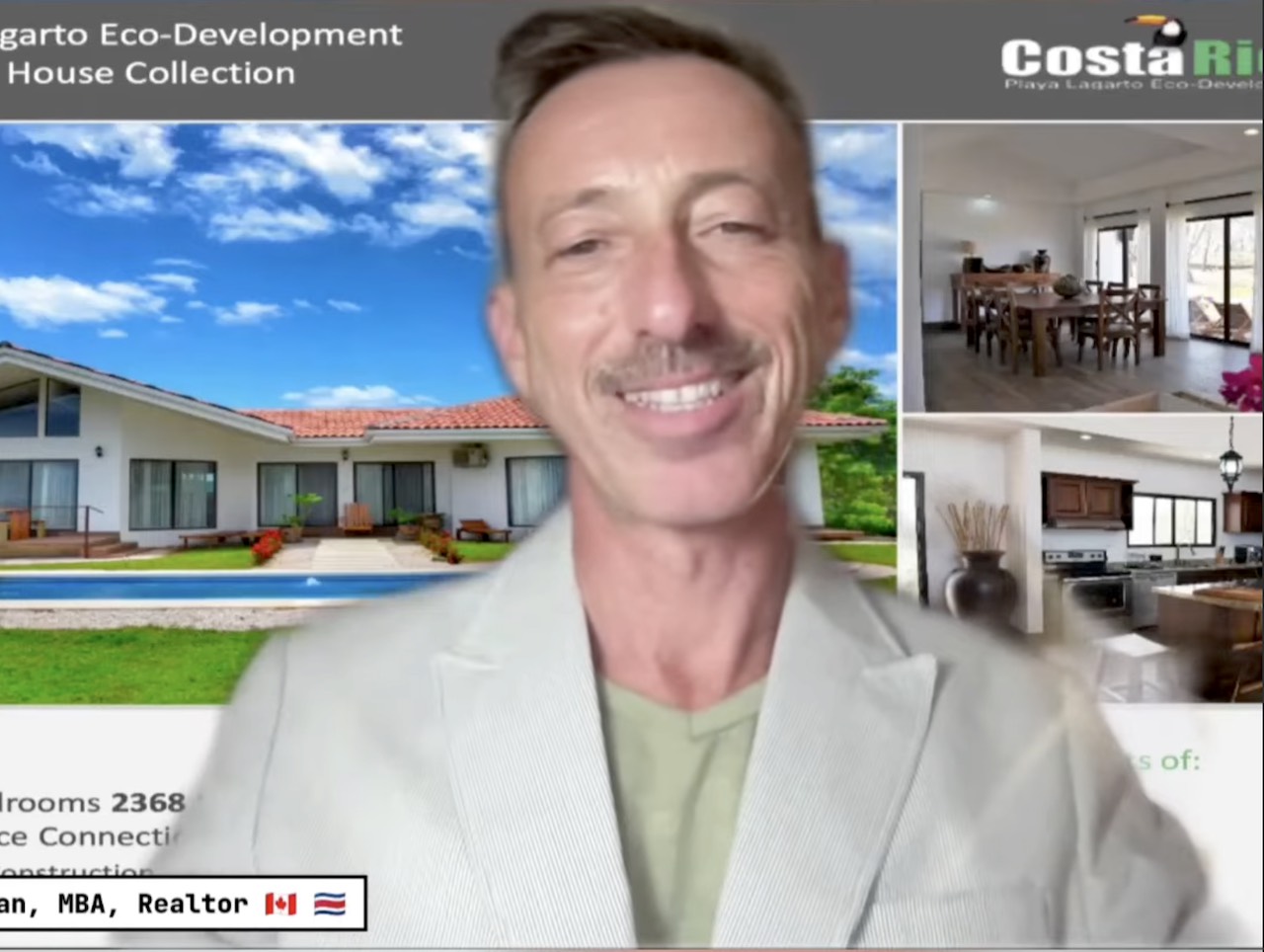
Discover your ideal property with boots-on-the-ground guidance! Team up with Joseph Kaplan, MBA, Aaron Bailey, and Patrick Jager to navigate neighborhoods, residency services, and turnkey homes in Guanacaste.
3. Finding Affordable Real Estate Options in Guanacaste
Explore handpicked affordable lots, condos, and single-family villas. As a dual Toronto and Costa Rica realtor, I help buyers find exceptional value whether you are currently searching from Canada, the US, or locally in Costa Rica.
4. Building & Customizing Your Dream Home
Find the perfect building lot in Guanacaste and customize your home alongside expert local developers and architects. From modern eco-villas to ocean-view custom estates, building in Costa Rica offers tailored luxury.
5. Working Remotely & Living the Digital Nomad Dream
Achieve ideal work-life balance by working remotely from Costa Rica’s beaches. Learn how to leverage Costa Rica’s Digital Nomad Law (Law 10008) to enjoy tax-free status while earning remote income.
🏡 Thinking of Buying Property in Costa Rica?
Whether you are searching for a gated community villa in Playa Lagarto, a ocean-view home in Nosara, or a rental income condo in Tamarindo, Yossi Kaplan, MBA provides expert buyer representation tailored to Canadian and American clients.
Frequently Asked Questions
Should I move to Costa Rica in 2026?
Yes, moving to Costa Rica is ideal if you want a warm tropical climate, strong property rights, top-tier private healthcare, and a peaceful lifestyle. Be sure to budget for local import taxes and have remote or pension income.
Is Costa Rica safe for Americans and Canadians?
Yes. Costa Rica ranks as one of the safest nations in Latin America, with no standing army and a stable democracy. Coastal regions in Guanacaste are very safe for expats when practicing basic theft prevention.
Is it easy to move to Costa Rica?
It is straightforward legal-wise. Americans and Canadians receive up to 180 days on entry, and formal residency categories like Pensionado ($1,000/mo) or Inversionista ($150,000) offer clear legal paths.
How long can I stay in Costa Rica as a tourist?
Citizens of Canada and the United States receive up to a 180-day tourist entry stamp upon arrival, provided they hold a valid passport and proof of onward travel.
Can I buy real estate in Costa Rica before obtaining residency?
Yes. Foreigners enjoy equal constitutional rights to own titled property in Costa Rica without needing permanent or temporary residency status.